The Ultimate Guide to Pricing Used Items for Resale
Learn exactly how to price used items to sell fast. Covers pricing strategies, research methods, negotiation tips, and how AI can help you price items accurately.

Pricing used items is one of the most common stumbling blocks for anyone selling secondhand. Price too high and the item sits for weeks with no interest. Price too low and you leave money on the table, or worse, buyers get suspicious that something is wrong with it. The sweet spot exists for every item, and finding it is more science than guesswork.
This guide covers everything you need to know about pricing used items for resale -- from general rules of thumb to category-specific strategies, research methods, negotiation psychology, and how modern AI tools are making the whole process faster and more accurate.
The Fundamental Rule of Used Item Pricing
Before getting into specifics, there is one principle that should guide every pricing decision: a used item is worth what someone will pay for it, not what you paid for it.
This sounds obvious, but it trips up sellers constantly. You spent eight hundred dollars on that stand mixer three years ago, so listing it at six hundred feels like a bargain. But a buyer does not care what you paid. They care what the item is worth to them right now, given its current condition, the current retail price, and how easily they can find the same thing elsewhere.
Emotional attachment is the enemy of good pricing. The dining table where you hosted Thanksgiving dinners, the guitar you learned your first chords on, the treadmill that represents an ambitious New Year's resolution -- these things have sentimental value to you and zero sentimental value to a buyer. Price based on market reality, not personal history.
General Pricing Guidelines by Condition
A useful starting framework is to price based on a percentage of the current retail price, adjusted for condition. Here is a general scale that works across most categories.
Like New or Open Box (70 to 85 Percent of Retail)
The item has been used minimally or not at all. Original packaging and accessories are included. There are no visible signs of wear. Items in this condition can command prices close to retail, especially if they are recent models or hard to find.
Excellent Condition (50 to 70 Percent of Retail)
The item shows minimal signs of use. It functions perfectly, has no damage, and looks well-maintained. This is the sweet spot for most used items that have been cared for. Most buyers expect to pay in this range.
Good Condition (30 to 50 Percent of Retail)
The item works properly but shows clear signs of regular use. There might be minor scratches, fading, or cosmetic wear. Nothing that affects function, but the item is obviously not new.
Fair Condition (15 to 30 Percent of Retail)
The item functions but has noticeable wear, minor damage, or missing accessories. At this price point, you are competing with the buyer's option to just buy new, so the deal needs to be compelling.
Poor Condition (Under 15 Percent of Retail, or Free)
The item has significant wear or damage but still has some utility. At this level, consider whether it is worth listing at all. Sometimes giving an item away for free generates more goodwill and community engagement than trying to sell it for a few dollars.
These percentages are guidelines, not rules. Some categories command higher resale values, and others depreciate faster. Let us look at the specifics.
Pricing by Category
Electronics
Electronics depreciate faster than almost any other category. A phone that cost a thousand dollars eighteen months ago might be worth three hundred today, and that is if it is in excellent condition. Here is how to approach electronics pricing.
Smartphones and tablets. Check the current retail price of the same model, not what you paid. Then check what the same model in similar condition is actually selling for on resale platforms. For phones, storage capacity, battery health, and whether the device is unlocked all significantly affect price. A two-year-old flagship phone in good condition typically sells for 25 to 40 percent of its original retail price.
Laptops and computers. Specs matter more than brand or age. A three-year-old laptop with a solid processor and plenty of RAM holds value better than a one-year-old budget model. Check completed sales on eBay for your exact model and configuration. Expect 30 to 50 percent of original retail for laptops under three years old in good condition.
TVs and monitors. These depreciate heavily because new models are constantly released and prices for new units drop rapidly. A TV that cost fifteen hundred dollars two years ago might sell for three to four hundred used. Larger screens hold value slightly better in percentage terms because shipping is impractical, making local sales more attractive.
Headphones and speakers. Premium audio equipment holds value reasonably well. High-end headphones in excellent condition can sell for 50 to 65 percent of retail. Budget audio equipment is barely worth reselling.
Gaming consoles. These hold value well, especially near the end of their lifecycle when new units are scarce. Current-generation consoles in good condition with controllers typically sell for 60 to 75 percent of retail. Include games to increase the bundle's appeal.
Furniture
Furniture is one of the best categories for resale, primarily because shipping is impractical. Buyers need to pick up locally, which means you are competing with a much smaller pool of sellers.
Solid wood furniture. This holds value exceptionally well. A quality solid wood dining table or dresser can sell for 50 to 70 percent of retail, sometimes more for sought-after brands or vintage pieces. Solid wood is increasingly expensive to buy new, which works in your favor.
Upholstered furniture. Couches and chairs depreciate more because buyers worry about cleanliness, stains, and odors that photos might not reveal. Expect 30 to 50 percent of retail for well-maintained upholstered pieces. Clean them thoroughly before listing, and be honest about any issues.
Flat-pack and particle board furniture. IKEA and similar furniture loses most of its value immediately. Expect 20 to 40 percent of retail at best. The exception is popular, discontinued IKEA items, which occasionally sell for more than they cost new.
Mattresses. These are difficult to sell due to hygiene concerns. Most buyers will not purchase a used mattress from a stranger, but selling within a trusted community -- like your apartment building -- can work if the mattress is in excellent condition. Price at 20 to 30 percent of retail at most.
Office furniture. Desks, office chairs, and bookshelves sell well, especially ergonomic chairs from brands like Herman Miller or Steelcase. Premium office chairs can hold 50 to 70 percent of their value for years because of their durability and high new prices.
Clothing and Accessories
Clothing resale is highly variable. Brand, condition, style, and season all play major roles.
Everyday clothing. Mass-market brands like Gap, H&M, and Zara have very low resale value -- often just a few dollars per item regardless of original price. Consider bundling or donating rather than listing individual pieces.
Premium and designer brands. Quality brands hold value much better. A well-maintained jacket from a premium brand can sell for 30 to 50 percent of retail. Designer items with authentication can sometimes sell for 50 to 75 percent.
Vintage and rare items. This is the exception to every rule. Vintage clothing in demand can sell for more than original retail. If you suspect something might be collectible, research thoroughly before pricing.
Shoes. Condition matters enormously for shoes. Barely worn shoes from quality brands sell well at 40 to 60 percent of retail. Shoes with visible sole wear drop to 15 to 25 percent quickly.
Books
Most books have negligible resale value. Mass-market paperbacks are worth a dollar or two at most. However, there are exceptions.
Textbooks. Current edition textbooks can sell for 30 to 50 percent of retail, sometimes more if they are required for a local university course. Timing matters -- list them right before or at the start of the semester.
Rare and collectible books. First editions, signed copies, and out-of-print titles can be worth significantly more than cover price. Check completed sales on specialized book marketplaces before pricing.
General books. Consider bundling by genre or topic. A box of twenty mystery novels is more appealing at twenty dollars than twenty individual listings at a dollar each.
Baby and Children's Items
This is one of the strongest resale categories because children outgrow things quickly, meaning supply is constant and items are often barely used.
Strollers and car seats. Premium strollers hold value well, selling for 40 to 60 percent of retail. Car seats are trickier because of expiration dates and safety concerns. Only sell car seats that have never been in an accident and are well within their expiration date.
Baby gear. High chairs, swings, play mats, and similar items sell for 30 to 50 percent of retail. These items are used for a few months and then outgrown, so they are often in excellent condition.
Children's clothing. Similar to adult clothing, mass-market children's brands have low individual resale value. Bundle by size for better results. Premium brands hold value better.
How to Research the Right Price
Guessing at prices is a recipe for mispricing. Here is how to research effectively.
Check Completed Sales, Not Active Listings
This is the single most important research tip. Active listings tell you what people are asking for. Completed sales tell you what people actually paid. These are often very different numbers.
On eBay, use the "Sold" filter to see completed transactions. On Facebook Marketplace, check recently sold items in your area. On other platforms, look for listings that have been marked as sold.
Compare Locally
Prices vary significantly by location. A space heater is worth more in Minneapolis than in Miami. A surfboard is worth more in San Diego than in Kansas City. Check what similar items are selling for in your specific area, not just nationally.
Factor in Your Selling Context
Where you are selling affects what you can charge. Selling within a trusted community -- like a neighborhood or apartment building marketplace -- often supports slightly higher prices than selling on anonymous platforms. Buyers are more comfortable paying a fair price when they know and trust the seller. Conversely, if you need to sell quickly, price at the lower end of the range to attract fast interest.
Check Multiple Sources
Do not rely on a single data point. Check two or three platforms to get a range, then price within that range based on your item's specific condition and your selling timeline.
How AI Pricing Tools Work
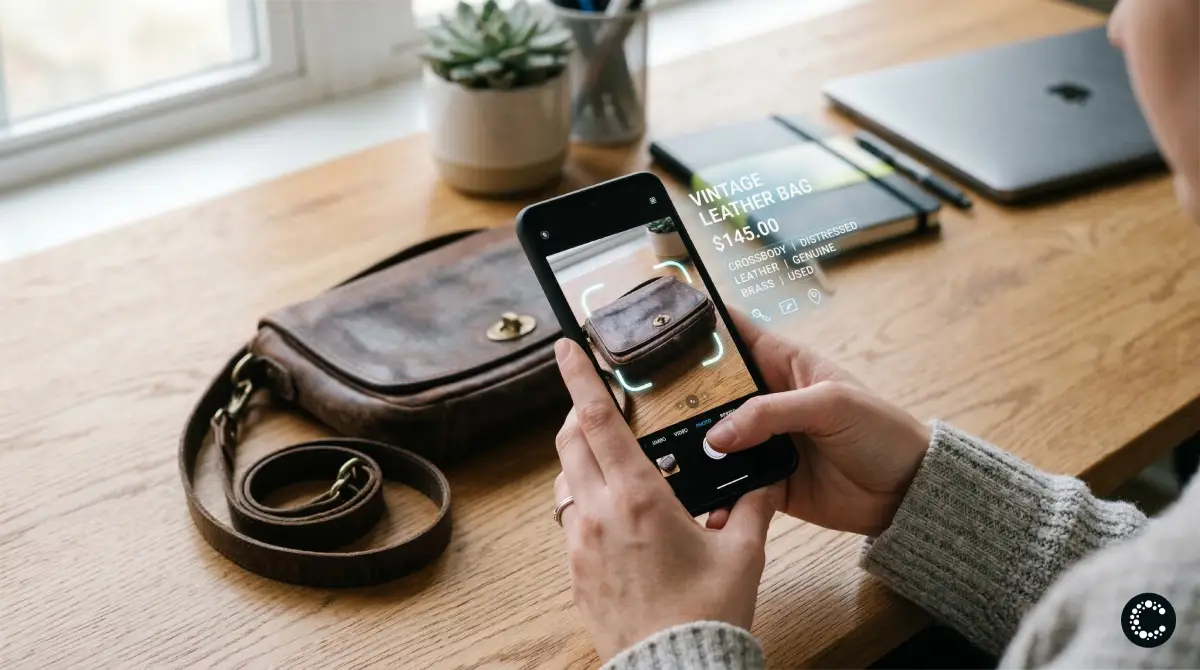
One of the most significant recent developments in resale is the emergence of AI-powered pricing tools. These tools analyze photos and descriptions of items and suggest prices based on vast databases of market data.
The Technology Behind AI Pricing
AI pricing tools use image recognition to identify the item, its brand, model, and apparent condition. They then cross-reference this information against databases of recent sales data, current retail prices, and market trends to generate a suggested price.
The best AI pricing tools also factor in local market conditions, seasonal demand, and category-specific depreciation curves. The result is a price suggestion that is often more accurate than what most sellers would arrive at through manual research, and it takes seconds instead of minutes.
AI Pricing on Cirkle
Cirkle's AI listing generator is a particularly useful example of this technology in action. When you upload a photo of an item you want to sell, the AI does not just suggest a price -- it generates a complete listing, including a title, detailed description, suggested price, and relevant tags. This means you go from "I want to sell this" to a fully formed, well-priced listing in under a minute.
The AI pricing is based on current market data, so it adjusts for trends and seasonal demand automatically. For sellers who are unsure what to charge, it removes the guesswork entirely. For experienced sellers, it provides a useful benchmark to validate their own pricing instincts.
You can try it yourself by creating a free marketplace on heycirkle.com. There are no fees and no commissions on any transaction.
Seasonal Pricing Strategies
Timing affects pricing more than most sellers realize. Understanding seasonal demand can help you sell faster and at better prices.
Winter
Cold-weather gear, space heaters, snow equipment, and holiday decorations command premium prices in early winter. Fitness equipment sells well in January as people pursue resolutions. Conversely, summer items like fans, patio furniture, and outdoor gear should be priced aggressively low if you need to move them during winter.
Spring
Cleaning and organization items sell well during spring cleaning season. Garden tools and outdoor furniture start gaining demand. Winter gear should be discounted to move it before storage season.
Summer
Outdoor and recreation items peak in demand. Air conditioners and fans sell quickly. Back-to-school items gain traction in late summer -- dorm furniture, backpacks, and electronics.
Fall
Cold-weather gear starts gaining interest again. Holiday decorations become relevant in late fall. Electronics see a bump as people compare used prices against holiday sale prices for new items.
The general principle is straightforward: sell seasonal items when demand is highest, not when you happen to be done with them. If it is April and you want to sell your snow boots, consider waiting until October. The boots will sell faster and for a higher price.
Negotiation Psychology
In most private resale transactions, the buyer will try to negotiate. Understanding the psychology behind negotiation helps you get a fair price without losing the sale.
Price with Room to Negotiate
If you want to receive a hundred dollars for an item, list it at a hundred and twenty. Most buyers expect to negotiate down 10 to 20 percent, and this gives you room to accommodate that while still hitting your target. This does not mean inflating prices unreasonably -- just building in a small buffer.
The Anchor Effect
The first price mentioned in a negotiation anchors the entire conversation. By listing your item at a specific price, you set the anchor. A buyer might counter with a lower offer, but it will almost always be relative to your asking price, not to some lower number they have in mind.
Justify Your Price
When a buyer asks, "Will you take less?" having a reason for your price strengthens your position. "I priced it based on recent sales of the same item in similar condition" is much more convincing than "That is just what I want for it." Reference your research to demonstrate that the price is fair.
Know When to Accept
Sometimes a slightly lower offer is worth accepting, especially if the alternative is relisting and waiting. A quick sale at 90 percent of your asking price is often better than holding out for 100 percent and dealing with weeks of back-and-forth.
Bundle Discounts
If you are selling multiple items, offering a discount for buyers who take more than one creates a win-win situation. You move more inventory, and the buyer feels like they got a deal. This works especially well in community marketplaces where the same neighbor might be interested in several of your listings.
Common Pricing Mistakes
Pricing Based on What You Paid
This has been mentioned but it bears repeating because it is the most common mistake by far. What you paid is irrelevant to the buyer. Price based on current market value.
Ignoring Condition Honestly
It is tempting to rate your item's condition generously. Resist this urge. If your "excellent condition" item arrives with scratches the buyer was not expecting, you lose trust and may lose the sale. Be honest about condition, photograph any flaws, and price accordingly. In community marketplaces especially, your reputation follows you.
Not Including Photos
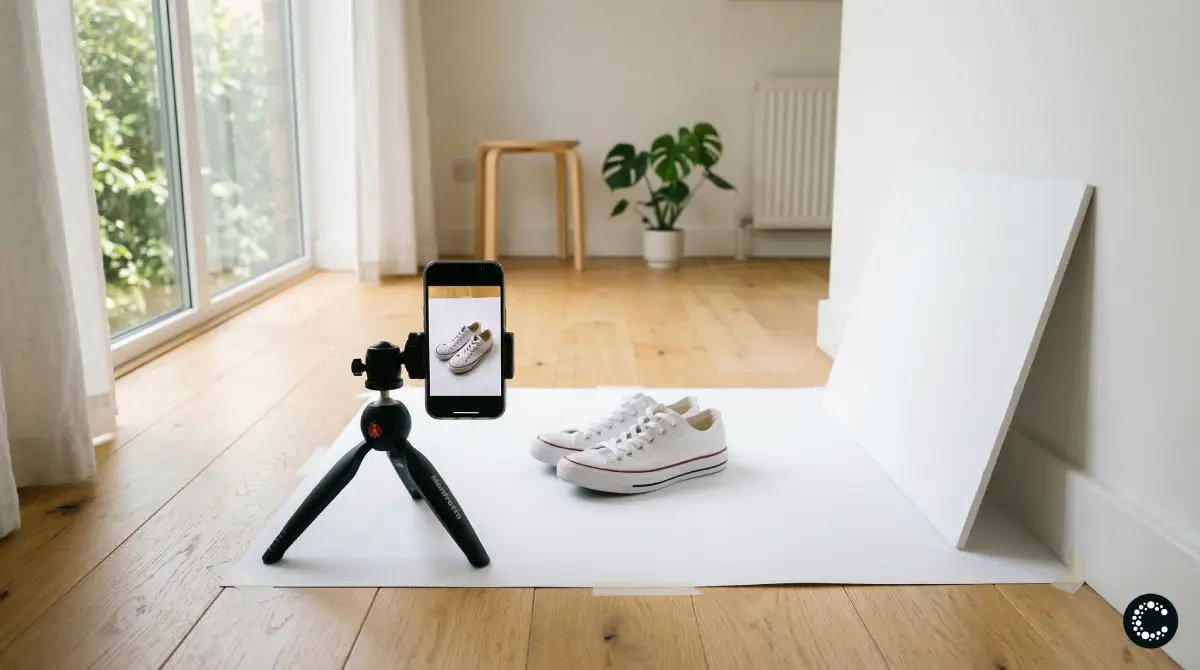
Listings without photos sell slower and for lower prices. A buyer cannot assess condition without seeing the item. Take clear, well-lit photos from multiple angles. Show any wear or damage. This builds trust and justifies your price.
Setting It and Forgetting It
If your item has not received any interest after a week, the price is probably too high. Drop it by 10 to 15 percent and see if interest picks up. Markets move, and a price that was fair when you listed may not be competitive two weeks later.
Pricing Everything the Same Way
Different categories require different approaches. You cannot use the same percentage-of-retail formula for electronics (which depreciate rapidly) and solid wood furniture (which holds value). Consider each item individually.
Not Factoring in the "Free" Alternative
For low-value items, consider whether the effort of selling is worth the return. Listing, communicating with buyers, and coordinating pickup takes time. If the item is worth less than ten dollars, giving it away might be a better use of your time -- and it builds community goodwill, especially in a neighborhood or building marketplace.
Quick Sale vs. Maximum Value
Your pricing strategy should reflect your timeline. These are two fundamentally different goals.
Pricing for a Quick Sale
If you need to sell within a few days -- you are moving, decluttering urgently, or just want the item gone -- price at the lower end of the market range. Twenty to thirty percent below the average completed sale price will typically generate interest within hours. Make it clear in the listing that the price is firm or that you are motivated to sell quickly.
Pricing for Maximum Value
If you have time and are not in a rush, price at the higher end of the range and be patient. The right buyer might take a few weeks to come along, but they will pay closer to what the item is worth. This approach works best for higher-value items where the price difference between a quick sale and a patient sale is meaningful.
The Middle Ground
For most sellers, the best approach is somewhere in between. Price fairly, be willing to negotiate slightly, and aim to sell within one to two weeks. This balances getting a good price with not having the item sitting around indefinitely.
Putting It All Together
Pricing used items well comes down to a few core practices. Research what similar items actually sell for, not what they are listed for. Be honest about your item's condition and price accordingly. Factor in seasonal demand and your selling timeline. Build in a small negotiation buffer. And use tools -- especially AI pricing tools -- to validate your instincts and save time.
If you are selling within a community marketplace, you have an inherent advantage. Buyers who know and trust you are more likely to pay fair prices, transactions are simpler, and the whole process takes less effort than dealing with anonymous buyers on large platforms.
Cirkle makes all of this easier. Create a free marketplace for your community, use the AI listing generator to price and list items in seconds, and sell to people you already know -- all with zero fees and zero commissions. Visit heycirkle.com to get started, or check out our blog for more tips on selling smarter. If you have questions, our FAQ page has answers, and you can always reach out directly.